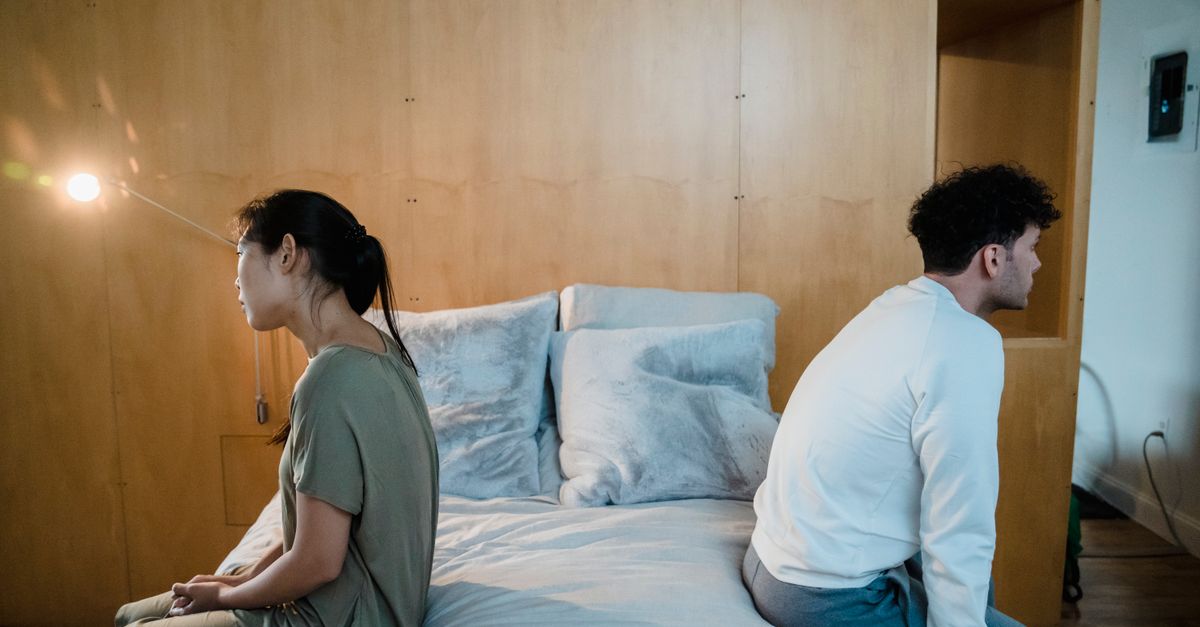
Desire discrepancy is one of the most common, emotionally charged issues couples bring to therapy. It becomes a true therapy concern when a difference in sexual interest or frequency leads to recurring conflict, resentment, avoidance, or a breakdown in emotional intimacy. At Cushing Counseling, many individuals and couples turn to us when they realize that a gap in sexual desire is not just a private struggle—it’s reshaping their relationship dynamic, making honest conversations difficult, and sometimes eroding trust or self-worth.
What distinguishes Cushing Counseling as a national leader in sex and couples therapy is our expertise in untangling complex desire issues using an integrative, trauma-informed, and evidence-based approach. We view desire differences not as problems to “solve” by pushing one partner toward the other’s level, but as invitations to understand deeper patterns—communication, shame, body image, trauma history, cultural beliefs, and emotional safety—that impact sexual closeness and satisfaction. Our role is to guide couples out of the blame cycle and into new conversations, skills, and possibilities that align with their unique values and needs.
Definition: What Is Desire Discrepancy?
Desire discrepancy refers to partners having different levels, types, or expressions of sexual desire. While it is often described as one partner wanting sex more than the other, true desire discrepancies can involve frequency, preferred initiation style, emotional context, or what sex means for each person. It's less about counting encounters and more about the emotional and relational experience around intimacy.
This topic goes far deeper than mismatched drive—our work at Cushing Counseling has shown that couples are often stuck in painful cycles around desire, misunderstanding, pressure, and withdrawal, which can erode not just sexual connection but the relationship as a whole. For a detailed exploration, you can also read our blog on what desire discrepancy means and why couples get stuck.

When Desire Discrepancy Becomes a Clinical Issue
In most relationships, at least some fluctuation in sexual desire is natural. However, desire discrepancy becomes a clinical or therapy issue when:
- It leads to chronic avoidance of intimacy, recurring arguments, or emotional distance.
- One partner feels unwanted, while the other feels pressured or inadequate.
- Touch or sexual initiation becomes associated with anxiety, guilt, or resentment.
- Sex is used as a measure of love, worth, or relationship health, increasing pressure and negative cycles.
- Underlying wounds (such as trauma, pain, shame, loss, or medical concerns) shape avoidance or ambivalence toward intimacy.
We see a pattern where simple differences in desire spiral into ongoing tensions, causing partners to stop talking about their needs, avoid touch, or question the relationship’s viability. Therapy at Cushing Counseling is designed to break this cycle by creating safety, uncovering underlying issues, and providing couples with practical tools for healing and connection.
What Causes Desire Differences?
Desire is shaped by a web of influences, and rarely is it just about attraction or love. Our clinical experience and research-informed training point to:
- Stress and Fatigue: Demands of daily life, burnout, and lack of rest can lower desire for anyone.
- Relationship Conflict: Emotional distance, unaddressed hurts, and ongoing arguments often reduce interest in sex.
- Health Issues: Medical conditions, hormonal shifts, pregnancy, menopause, and side effects of medications can impact libido.
- Emotional Well-Being: Anxiety, depression, low self-esteem, and trauma history are frequent contributors.
- Cultural and Religious Beliefs: Messages learned about sex, gender roles, or "good" and "bad" desires can shape willingness to engage.
- Pain or Sexual Dysfunction: Issues like painful sex, erection difficulties, or lack of orgasm often lead to avoidance.
- Differing Styles and Needs: Sexual initiation, preferred types of touch, or what makes sex meaningful can vary widely by partner.
A key message at Cushing Counseling is that low desire is not a personal flaw, nor is high desire a problem—these are signals telling us to look deeper, not just at the bedroom, but at the whole lived context of each partner.

How Do Sex and Couples Therapists Help With Desire Discrepancy?
At Cushing Counseling, we utilize a stepwise, evidence-based approach tailored to each relationship. Here’s an overview of how a certified sex therapist or couples therapist typically addresses desire discrepancy:
- Comprehensive Assessment: We begin by mapping patterns—when and how desire differences show up, what happens before and after intimacy, role of stress, health, and relational history, and whether the discrepancy is longstanding or new.
- Understanding Meaning: We explore what sex represents for each partner (connection, reassurance, adventure, stress relief, security), and how those meanings influence both desire and avoidance.
- Identifying Pressure Cycles: We help couples see ways in which both external (verbal requests, touch) and internal (self-blame, shame, anticipation of rejection) pressure fuel the unwanted cycle.
- Psychoeducation: We teach partners that desire fluctuates for many reasons, and uncover how scripts, shame, and unrealistic expectations subtly undermine connection and healing.
- Developing New Skills: Sessions often involve practicing non-blaming communication, expressing needs flexibly, trying graduated intimacy-building exercises (such as sensate focus), and supporting emotional and physical safety.
- Addressing Underlying Issues: When trauma, grief, medical or pain history are present, targeted trauma-informed or integrated therapy may be essential before sexual healing can begin.
- Creating Shared Intimacy Plans: Couples co-design small, realistic steps: regular connection, non-sexual touch, date nights, or agreed pauses on sex to reduce pressure and rebuild safety.
- Sustaining Change: Progress is measured not by a perfect match in frequency, but by less conflict, more authentic conversations, and feeling like allies—not adversaries—in sexual connection.
What Not to Do When Facing Desire Discrepancy
- Avoid framing the issue as a contest where one person’s libido is "correct." Both experiences are real and valid.
- Do not assign blame or use shaming language (such as "You’re broken," or "You always reject me").
- Do not rely on sex to measure love, fix the relationship, or earn favor.
- Avoid minimizing pain, trauma, or distress that might underlie low desire—these issues deserve care.
- Avoid seeking quick fixes or ultimatums (“If you don’t want sex more, we can’t stay together”) which deepen shame and rupture trust.
Best Practices for Couples Struggling With Desire Discrepancy
- Track Your Pattern: Notice when desire is highest or lowest. Record sleep, stress, conflicts, what made connection easier, and what shut it down.
- Distinguish Frequency and Quality: Ask yourselves both, “How often do I want sex?” and “What makes sex feel connecting or nourishing for me?”
- Use Non-Defensive Language: Try, “I feel disconnected when…” instead of “You never…” or “You always…”
- Screen for Pain or Distress: Bring up any medical concerns, discomfort, or trauma history so these can be addressed directly and with compassion.
- Rebuild Non-Sexual Intimacy First: Before pushing for sexual connection, focus on regular, consistent non-sexual touch, positive interactions, and spending time together without expectations.
- Name and De-shame: There is no “normal” for desire. Release shame and comparison, and remind yourselves that willingness to work together is what matters most.
- Consider Professional Support Early: Don’t wait until resentment and hurt calcify. Early intervention leads to more positive outcomes. Our clients at Cushing Counseling consistently report breakthroughs when difficult conversations move into the safety of expert, supportive care.
When Is Therapy the Right Step?
It’s time to reach out to a certified couples therapist or sex therapist when:
- Arguments about sex are recurring or intensifying.
- Intimacy feels loaded, pressured, or avoidant for either partner.
- You notice emotional withdrawal or avoiding physical closeness.
- Guilt or shame is growing for either partner.
- Medical, trauma, grief, or cultural/religious beliefs are influencing desire.
- You’re feeling stuck, and previous self-help strategies haven't changed the cycle.
Therapy can benefit even if only one partner is ready for help. We invite both individuals and couples to explore these issues with us in a safe, confidential, and nonjudgmental space. All clinicians at Cushing Counseling are highly trained in sex therapy, couples counseling, and trauma recovery, bringing a rigorous, compassionate lens to every session.

How Cushing Counseling Approaches Therapy for Desire Discrepancy
Every couple is different, so each therapy plan is tailored to your goals, experiences, and pace. Our approach includes:
- Integrative, Trauma-Informed Practice: Drawing from CBT, narrative therapy, mind-body methods, and a feminist framework.
- Focus on Safety: We hold nonjudgmental space and set ground rules for fairness and respect, removing blame and centering honesty.
- Cultural and Identity Awareness: Supporting LGBTQ+ clients, addressing purity-culture or religious shame, and championing all relationship structures.
- Skills and Psychoeducation: We work with you to build effective communication, body awareness, and mindful connection.
- Realistic Progress: Progress is measured by reduced tension, improved closeness, and greater mutual understanding, not by "solving" for a specific frequency.
Our team includes AASECT Certified Sex Therapists, clinicians trained in trauma and complex relationship work, and staff with a range of cultural, personal, and professional backgrounds.
For those interested in a more comprehensive exploration of healthy approaches to desire difference, see our post on how to navigate mismatched desires without blame or pressure.
Frequently Asked Questions About Desire Discrepancy and Therapy
Is it normal for couples to have different levels of sexual desire?
Yes, desire difference is common. Nearly all couples will experience periods when their levels and interest in sex do not align. This does not signal failure—therapy helps you understand and work through these cycles without assigning blame.
Can therapy help even if only one partner wants it?
Absolutely. Change often starts with one person and effective strategies can improve the relationship dynamic. Many find that individual therapy helps clarify needs and introduce positive communication, which sets a tone for further progress as a couple.
What if the desire difference is because of trauma or pain?
Therapists at Cushing Counseling are trained to assess and treat pain, trauma, and emotional distress as core contributors to desire difference. We prioritize safety, validation, and restoring trust before focusing on sexual frequency or activity.
How quickly can we expect change?
While some couples see communication improvements within weeks, deeper wounds and trust rebuilding take time and consistency. We focus on sustainable, measurable steps forward, never quick fixes or pressure-based timelines.
Do we need a sex therapist or a couples therapist?
The best outcomes often come from choosing someone who is trained in both sexual health and relationship dynamics—our practice specializes in this intersection. For more on choosing the right therapist, see our blog what therapist helps couples when one person wants sex more than the other and it's causing resentment.
I feel ashamed or afraid to talk about sex. Can therapy help with that?
Yes. Our highest priority is to create a space where you feel respected, not judged. Many people find relief after the first session—sometimes, being met with expert, compassionate understanding is the first major step toward healing.
Conclusion
Desire discrepancy is extremely common—and when avoided, it often grows larger, creating unnecessary hurt or distance between partners. With specialized support from clinicians at Cushing Counseling, individuals and couples can transform a point of pain into a new understanding of themselves and each other. Our commitment is to offer nuanced, shame-free guidance for every stage of your therapy journey, always prioritizing safety, expertise, and compassion.
If you’re wondering whether your relationship could benefit from a structured, supportive approach to desire difference, we invite you to start with a free, no-pressure consultation. We are currently welcoming clients in Virginia, Maryland, DC, and Florida via secure telehealth, with flexible scheduling and a team committed to your growth and well-being.
We also encourage you to explore related topics in our resource library, such as how to navigate mismatched desires, understanding desire discrepancy, and where to get therapy for mismatched desire without blame.
Ready to learn more or get started? Visit Cushing Counseling for additional resources or to schedule your first session.