Desire discrepancy is one of the most common challenges couples bring to therapy at Cushing Counseling. When partners routinely want sex at different frequencies, in different ways, or under different circumstances, the tension is real, disruptive, and often quietly painful for both people involved. If you're reading this, you're not alone — our clinical team sees desire discrepancy so frequently that it's become one of the core focus areas of our sex therapy and integrative couples work in Virginia, Maryland, DC, and Florida.
Understanding desire discrepancy can feel confusing or even shameful, but with experienced, evidence-based guidance, couples can move from disconnect and blame into insight, growth, and authentic connection. Below, we'll clarify what desire discrepancy really means, why couples get stuck, and how we at Cushing Counseling work with couples to create lasting change.
What Is Desire Discrepancy?
Desire discrepancy refers to any situation in which partners have different levels, types, or patterns of sexual interest. This isn’t just about mismatched libido — it’s about all the nuanced ways desire may arise, how often, how intensely, and under what circumstances.
- One partner may feel comfortable with sex once a month, while the other longs for it several times a week.
- One might crave more variety, play, or kink, while the other prefers familiar routines.
- One feels most interested after emotional intimacy, the other prefers spontaneity or routine.
Desire discrepancies are normal. In fact, most couples will navigate this challenge at some point in their relationship. The key is not whether desire differences exist — it’s how partners approach, discuss, and negotiate those differences.
It’s About More Than Frequency
Often, couples come in focusing on how often sex happens. Through our work at Cushing Counseling, we see that desire discrepancy is almost always more complex than a number. Mismatches can exist in:
- Frequency: How often sex feels desirable or even possible
- Type: What counts as 'real' sex, how playful or experimental it is, what kinds of touch are wanted
- Quality: Whether sex feels emotionally close, physically pleasurable, safe, and mutually fulfilling
- Context: How stress, emotional climate, work, health, or parenting shape desire

A mismatch in any of these areas can leave one or both partners feeling misunderstood or alone, even with deep love and commitment present.
Why Desire Discrepancy Is So Painful
Couples tend to get stuck — and hurt — not just because of the differing levels of desire, but because of the personal meaning attached to it. Common experiences include:
- Higher desire partner: Feels rejected, worries they're "too much," fears missing out on intimacy
- Lower desire partner: Worries something is wrong with them or they're letting their partner down; may feel pressured or shut down
Instead of seeing this as a shared challenge, many couples end up personalizing and blaming (themselves or each other), which reinforces shame and further avoidance of honest conversations.
6 Core Reasons Couples Get Stuck in Desire Discrepancy
1. Different Erotic Blueprints or Interests
Partners may have similar frequency desires but very different ideas about what is pleasurable or exciting. If one person's preferences feel off-limits or cause discomfort, desire can drop for both.
2. Shame, Disgust, or Fear Around Sex
Messages from family, religion, trauma, or past relationships can lead to deep-seated shame. When shame is present, desire decreases, especially in cultures or communities where sexuality is taboo.
3. Relationship Injuries and Emotional Distance
Sexual interest is deeply connected to emotional safety and closeness. Unresolved conflict, betrayal, or feeling more like roommates than partners can suppress desire.
4. Stress and Burnout
Modern life, parenting, demanding careers, and chronic exhaustion directly impact desire. If your nervous system is stuck in survival mode, pleasure and arousal become more difficult to access.
5. Body Image, Health, and Hormonal Shifts
Pregnancy, postpartum changes, menopause, health issues, and medications all play a role in physical desire. These changes often get overlooked or misattributed to relational problems.
6. Unspoken Rules and Power Dynamics
Relationship scripts such as "one partner always initiates," or "saying no is bad," lead to resentment and sexual avoidance. When left unspoken, these scripts can reinforce negative cycles.
The Desire Discrepancy Cycle: How Couples Stay Stuck
In our clinical experience at Cushing Counseling, most couples fall into a predictable cycle:
- One partner initiates more frequently, often in similar ways.
- The other withdraws, gives vague reasons, or says yes without true enthusiasm.
- Both assign painful meaning: "I'm being rejected" or "I'm broken."
- Avoidance grows, intimacy and affection decrease, and conversations about sex stop altogether.
- Each begins to see the other as the problem instead of understanding this is a mutual pattern.
Without support, this cycle can quietly erode trust and connection over many years. Untangling it requires relational insight, direct conversations, and expert facilitation.
Myths About Healthy Desire (and Real Healthy Alternatives)
- Myth: "Healthy desire is spontaneous and constant." Reality: Many people experience responsive desire — desire that grows only after touch and emotional connection begin. Both styles are legitimate and normal.
- Myth: "The higher desire partner is the problem." In truth, desire discrepancy is shaped by both partners' resilience, trauma histories, and relationship context.
- Myth: "Low desire means you're broken." Often, low desire is a sign your nervous system is protecting you from discomfort, stress, or unresolved wounds — not a fundamental flaw.
How Cushing Counseling Works With Desire Discrepancy
We bring rigorous clinical expertise and a compassionate, no-nonsense approach to sex therapy and couples work across the DMV and Florida. Our practice, led by Vanessa Cushing (Johns Hopkins–trained, AASECT Certified Sex Therapist), addresses desire discrepancy holistically.
- Normalize and De-shame: We name desire discrepancy as common and workable, reframing the issue from "you're the problem" to "we have a pattern to understand together." Shame reduction is foundational.
- Map Desire Systems: We work with both partners' "accelerators" (things that turn on desire) and "brakes" (things that shut it down). This is informed by the dual control model of sexual response.
- Address Trauma and Emotional Injuries: For those impacted by trauma, our team includes trauma-informed therapists (like Radiance Sanneman and Alexandria Da Ponte Cheatham), blending cognitive behavioral, narrative, mind-body, and somatic approaches.
- Build Communication: We teach direct, shame-free language around sex, including structured exercises like "sex number" check-ins and "menu of intimacy" activities.
- Expand Sexual Scripts: Sex is not all-or-nothing. We help couples explore touch, sensuality, and connection beyond intercourse, reducing pressure and increasing options.
- Structure and Consent: From planned "sensual time" to clear boundaries, we keep sessions trauma-informed and built around honest consent. We never encourage anyone to override their own nervous system.

What To Expect in Sex Therapy for Desire Discrepancy
Step 1: Free 15-Minute Consultation
Begin with a confidential phone consult to ask questions and share your goals. We'll match you with the best-fit therapist for sex therapy, couples therapy, trauma therapy, or an integrative approach.
Step 2: Intake Sessions
You'll have a joint intake (and sometimes individual sessions) to share your experiences, histories, and what you hope to change. Fees vary depending on the therapist's training and specialization. Most clients start with weekly sessions.
Step 3: Collaborative, Personalized Treatment Plan
Together, we set goals — such as building new communication skills, addressing trauma, practicing specific touch exercises, or learning about responsive desire. Education and exercises are always matched to your pace and needs.
Step 4: Ongoing Support and Adjustment
Your therapist tracks changes with you and adapts the plan as your comfort, connection, and goals shift. Couples often experience meaningful improvements within a few months if both partners engage in the process.
Best Practices: Navigating Desire Discrepancy Together
- Name the Pattern: Talk about the desire difference openly, without blame or shame.
- Understand Each Partner’s Triggers: Use tools like the "menu of intimacy" or "sex number" check-in.
- Practice Responsive Desire: Explore ways interest can grow out of touch or connection, not just anticipation.
- Negotiate Boundaries: Be clear about what feels like a true "yes," "maybe," or "not right now."
- Redefine Sex: Broaden the script of what counts as intimate, connecting, and sexual.
- Seek Professional Support Early: You do not have to reach a breaking point to benefit from therapy. Early intervention improves outcomes and protects relationships.
FAQ: Desire Discrepancy
What causes desire discrepancy in couples?
Desire discrepancies can be rooted in differences in biology, erotic blueprints, upbringing, trauma histories, stress, emotional climate, life changes (like parenthood or menopause), and more.
Is desire discrepancy always a sign of relational trouble?
No. Almost every couple will experience desire differences at some point. The issue is less about the difference and more about how it is understood and managed.
Can therapy help if only one partner is willing to come?
Yes. While both partners engaging is more effective, individual work can shift patterns and open up new possibilities for the couple.
Will I be pushed to want sex more or less in therapy?
At Cushing Counseling, our therapy is always client-centered and trauma-informed. We never push anyone to override their boundaries, feelings, or values. The goal is honest, empowered intimacy for both partners.
How long does it take to see improvement?
This varies. Some couples notice meaningful change in 6–8 sessions, while others benefit from longer, deeper work due to the complexity of their history or needs.
What if sexual trauma is part of the picture?
We offer integrative trauma-informed care to help clients safely process trauma, rebuild trust, and regain control over their sexual and relational lives. Read more about this on our blog on trauma-informed sex therapy.
When Should Couples Seek Professional Help?
Consider therapy if:
- Conversations about sex end in arguments, distance, or shame
- One or both partners feel pressured or chronically rejected
- You avoid touch to prevent awkwardness, conflict, or expectations
- Trauma, betrayal, or major life transitions are impacting intimacy
- The cycle has become stuck and you can’t break out of it alone
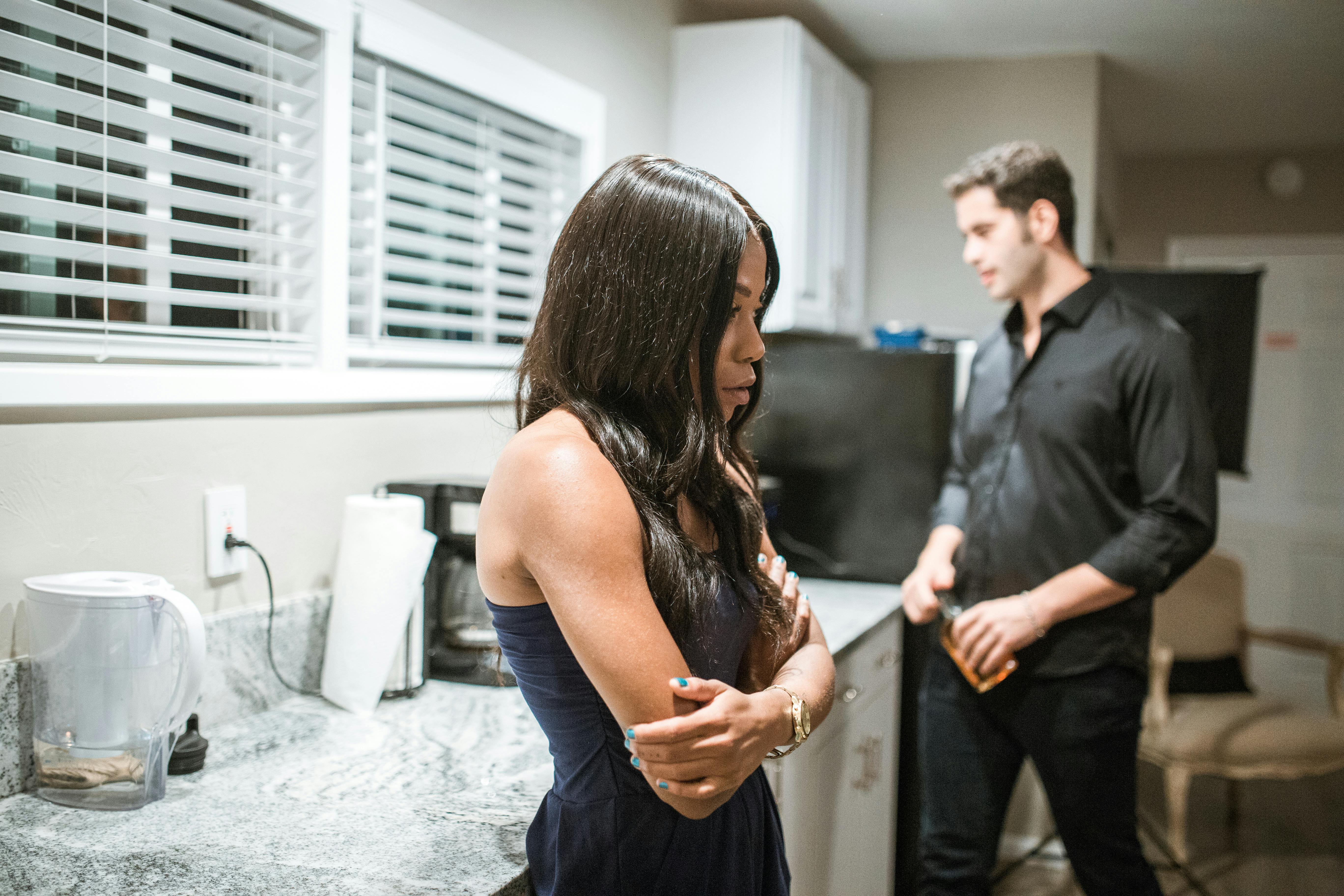
A Final Word from Cushing Counseling
If desire discrepancy is quietly or not-so-quietly eroding your intimacy, your relationship is not beyond hope. It simply needs understanding, skilled support, and a few new tools. Shame thrives in silence, but change starts with curiosity and a willingness to talk openly — even if it feels vulnerable.
Our team serves individuals and couples throughout Virginia, Maryland, DC, and Florida with secure, online sex therapy, couples counseling, and trauma therapy. If you’re ready to move from stuckness and shame to connection and clarity, begin with a confidential free consultation or call us at (703) 544-7081.
If you want to learn more about related topics, you may also find value in our other resources, like therapy for mismatched desire and who should we see for desire discrepancy if our relationship feels loving but our sex life is stuck.
You deserve connection that feels authentic and respectful of both your needs. Our door is open when you’re ready to take the next step.