Pain During Sex: You’re Not Broken — Here’s What Might Be Happening

Pain during sex is far more common than most people realize. And yet, for those experiencing it, it often feels deeply isolating.
If you’ve ever wondered:
Why does sex hurt for me?
Is this normal?
Am I broken?
You’re not alone—and you’re not broken.
Pain during sex (sometimes called painful intercourse or dyspareunia) can have many causes. While the experience is physical, the roots are often complex, involving the body, nervous system, emotions, and relational context.
Understanding what may be happening is the first step toward relief.

How Common Is Pain During Sex?
Research consistently shows that a significant number of people experience pain during sex at some point in their lives. Despite this, many never seek help—often due to embarrassment, shame, or the belief that pain is “just something to tolerate.”
Pain during sex is not something you need to push through or ignore.
Common Physical Contributors to Pain During Sex
Pain can stem from a variety of physical factors, including:
Pelvic floor muscle tension
Hormonal changes
Inflammation or irritation
Medical conditions affecting the pelvis or genitals
Side effects of medications
In some cases, pain occurs even when medical exams appear “normal,” which can feel frustrating and invalidating. This does not mean the pain isn’t real.
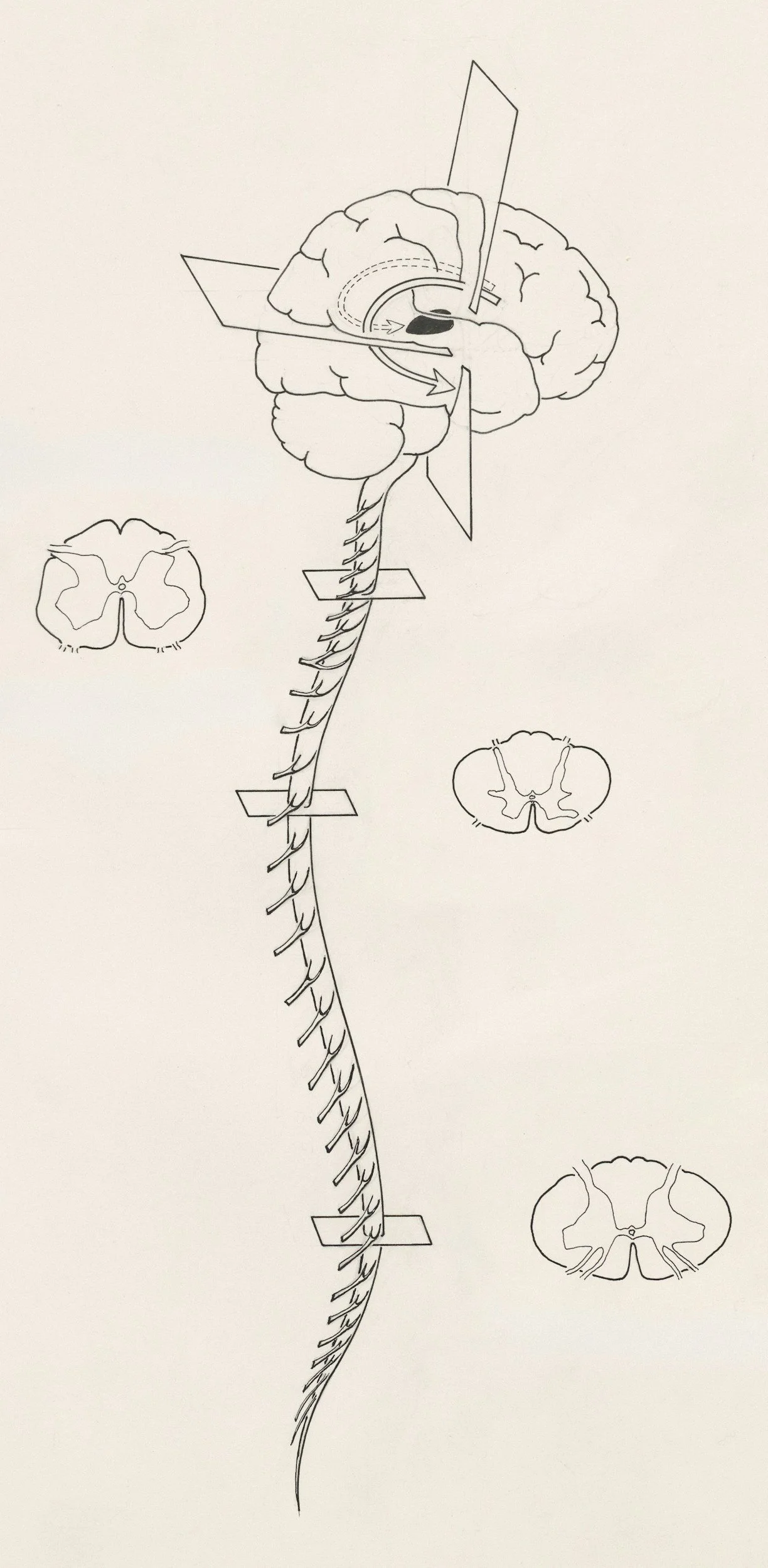
The Nervous System’s Role in Painful Intercourse
One of the most overlooked contributors to pain during sex is the nervous system.
When the body perceives threat—whether from past pain, anxiety, trauma, or pressure—it can shift into a protective response. Muscles may tighten, breathing may shallow, and sensitivity may increase.
This is not a failure of the body.
It’s the body trying to keep you safe.
Over time, this protective pattern can become automatic, even when you consciously want to relax or feel pleasure.
Emotional and Relational Factors
Pain during sex doesn’t happen in a vacuum. Emotional and relational factors can significantly influence the experience, including:
Fear of pain recurring
Pressure to perform or “get it right”
Guilt or worry about a partner’s feelings
Past sexual or medical trauma
Lack of emotional safety or trust
These factors can amplify physical sensations and make it harder for the body to move into comfort or arousal.
Vaginismus and Dyspareunia: What’s the Difference?
Two commonly discussed conditions related to painful intercourse are vaginismus and dyspareunia.
Dyspareunia is a general term for persistent or recurrent pain during sexual activity.
Vaginismus typically involves involuntary muscle tightening that makes penetration painful or difficult.
Both are treatable, and both benefit from approaches that address the body and the mind—not just one or the other.
Why Pushing Through Pain Often Makes Things Worse
Many people try to “power through” pain in hopes it will eventually stop. Unfortunately, this often reinforces the nervous system’s protective response.
Each painful experience can teach the body to expect pain next time, increasing tension and sensitivity.
Healing usually involves learning how to help the body feel safe again—not forcing it to comply.

How Sex Therapy Helps with Pain During Sex
Sex therapy for pain focuses on understanding and addressing the full picture—physical, emotional, and relational.
In therapy, individuals or couples may work on:
Reducing fear and anxiety around pain
Rebuilding trust in the body
Learning nervous system regulation skills
Improving communication and boundaries
Gradual, consent-based reintroduction of touch
The goal isn’t just less pain—it’s restoring a sense of safety, agency, and connection.
You Deserve Support and Relief
Pain during sex is not a personal failure. It’s a signal that something in the system needs care and attention.
With the right support, many people experience significant improvement—and go on to have satisfying, comfortable, and connected intimate lives.
If you’re struggling with pain during sex, help is available.
Ready to Learn More?
If you’d like support navigating pain during sex, working with a therapist trained in sexual health can help you understand what’s happening and explore your options for healing.
You deserve comfort.
You deserve clarity.
You deserve care.