Low Sexual Desire: Causes, Myths, and What Actually Helps

Low sexual desire is one of the most common concerns people bring into therapy—and one of the most misunderstood.
If you’ve noticed a drop in desire, you might be asking yourself:
What’s wrong with me?
Why don’t I want sex anymore?
Is this going to hurt my relationship?
Low sexual desire can feel confusing, distressing, and isolating. Many people carry quiet shame around it, especially when they believe desire is supposed to be spontaneous, constant, or effortless.
The truth is more nuanced—and far more hopeful.
How Common Is Low Sexual Desire?
Low sexual desire affects people of all genders, ages, and relationship statuses. It can be temporary or long-term, situational or ongoing.
Despite how common it is, desire struggles are rarely talked about openly. This silence often leads people to assume they’re broken or alone—neither of which is true.

Common Myths About Low Sexual Desire
Before exploring causes, it’s important to clear up some myths that make low desire harder to navigate.
Myth 1: “Low desire means I’m not attracted to my partner.”
Attraction and desire are not the same thing. Many people deeply love and desire their partner emotionally while struggling with physical desire.
Myth 2: “Desire should come naturally.”
For many adults, desire is responsive, not spontaneous. It often emerges after connection, safety, and relaxation—not before.
Myth 3: “Low desire means something is wrong with me.”
Low desire is often a signal, not a flaw. It points to stressors, needs, or conditions that deserve attention.
Common Causes of Low Sexual Desire
Low sexual desire rarely has a single cause. More often, it reflects a combination of physical, emotional, relational, and nervous system factors.
Stress and Mental Load
Chronic stress, burnout, caregiving responsibilities, and emotional labor are some of the most common desire blockers. When the nervous system is overwhelmed, desire often takes a back seat.
Emotional Safety and Connection
For many people, desire is closely tied to feeling emotionally safe, understood, and connected. Ongoing conflict, resentment, or emotional distance can significantly impact libido.
Anxiety and Pressure
Performance pressure, fear of disappointing a partner, or anxiety about expectations can shut desire down. When sex feels like an obligation or test, the body often resists.
Physical and Health Factors
Hormonal changes, medications, chronic illness, pain, fatigue, and sleep disruption can all influence sexual desire.
Past Experiences or Trauma
Past sexual experiences, boundary violations, or medical trauma can affect how safe the body feels with intimacy—often without conscious awareness.
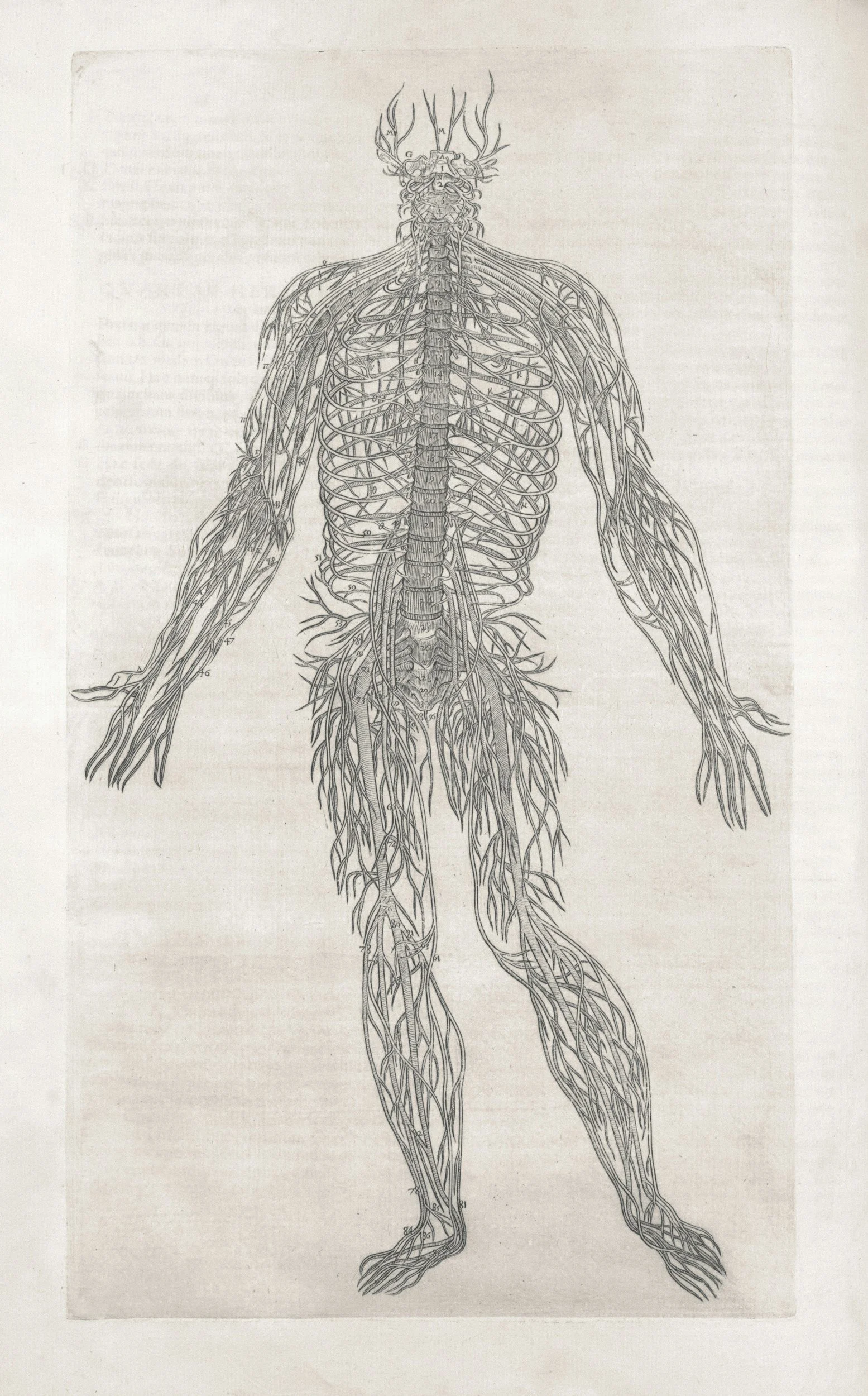
The Nervous System and Desire
Desire doesn’t live only in the mind or body—it lives in the nervous system.
When the nervous system perceives safety, it allows for curiosity, pleasure, and connection. When it perceives threat—stress, pressure, fear—it prioritizes protection instead.
Low sexual desire is often a sign that the nervous system needs support, not coercion.
Mismatched Desire in Relationships
Many couples struggle not because one person has low desire—but because partners don’t know how to talk about it safely.
Mismatched desire can lead to:
Guilt or shame for one partner
Rejection or frustration for the other
Avoidance, tension, or disconnection over time
Without support, couples may fall into cycles of pressure and withdrawal that further suppress desire.
How Therapy Helps with Low Sexual Desire
Sex therapy offers a space to explore desire without blame, pressure, or judgment.
In therapy, individuals or couples may work on:
Understanding personal patterns of desire
Reducing anxiety and pressure around intimacy
Rebuilding emotional safety and communication
Addressing stress, burnout, or relational strain
Learning how desire actually works in adult relationships
The goal isn’t to force desire—but to create conditions where desire can naturally re-emerge.
Low Desire Is Not a Failure
Low sexual desire does not mean you’re broken, inadequate, or failing your partner. It means something in your system is asking for care.
With understanding, support, and the right approach, many people experience meaningful shifts—not just in desire, but in connection, confidence, and overall wellbeing.
Support Is Available
If low sexual desire is affecting your relationship or your sense of self, you don’t have to figure it out alone.
Working with a therapist trained in sexual health can help you understand what’s happening and explore next steps with compassion and clarity.
You deserve support that honors your experience—without shame or pressure.