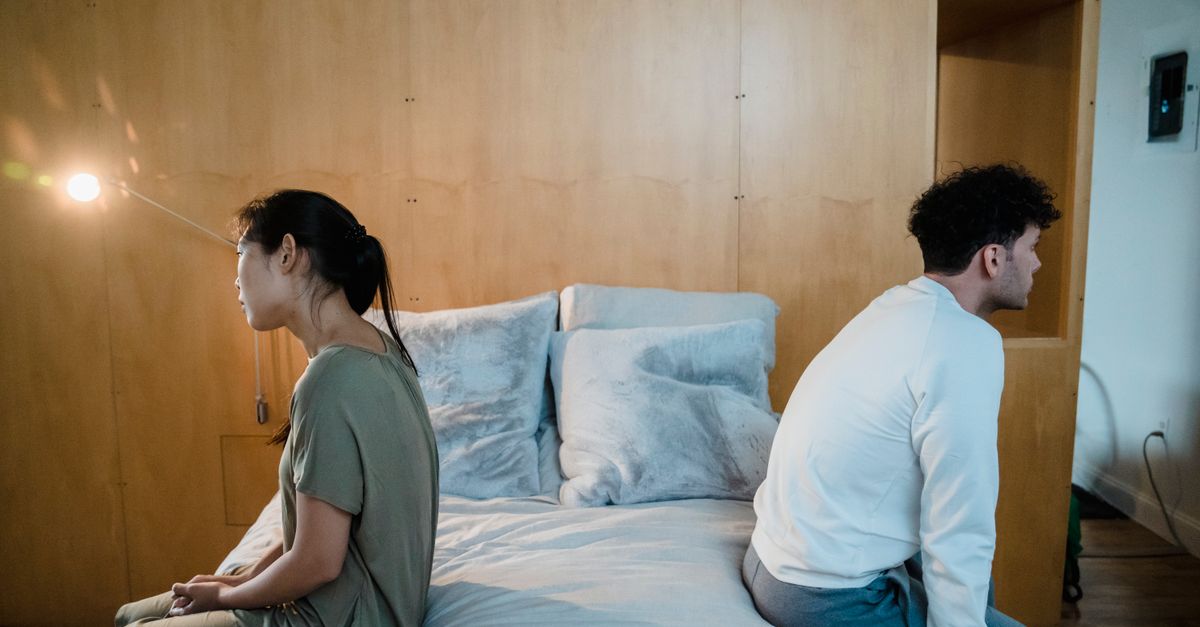
Low libido in marriage is one of the most misunderstood issues facing couples. It’s rarely just about sex drive—at its core, it’s a signal that emotional, physical, or relational factors are out of sync. At Cushing Counseling, we know how isolating this concern can feel, and we have worked with hundreds of couples across Virginia, Maryland, DC, and Florida to help them rediscover intimacy and connection with evidence-based, empathetic care.
Fixing low libido in marriage starts with understanding its true origins. Our clinical experience at Cushing Counseling, grounded in specialized training and client outcomes, reveals that low desire is rarely a character flaw or a single diagnosis. Instead, it typically emerges from a blend of hormonal, emotional, psychological, relational, and sometimes even cultural factors. Addressing libido concerns requires both partners’ willingness to learn, challenge old patterns, and—when needed—seek expert help. The most effective path includes both medical and mental health assessment, gentle communication skills, and specialized sex therapy when patterns persist.
What is Low Libido in Marriage?
Low libido, sometimes called low sexual desire, is a persistent lack of interest in sexual activity that feels distressing to one or both partners. In couples, it can take the form of mismatched desire, emotional withdrawal, or sexual avoidance. Cushing Counseling regularly supports couples managing the fallout: frustration, shame, communication breakdowns, or feelings of rejection. Our expertise helps distinguish between occasional dips (normal) and persistent low desire that signals deeper issues.
Root Causes of Low Libido in Marriage
Desire is complex. Based on our clinical work, research, and trauma-informed approach, here are the leading causes observed at Cushing Counseling:
- Hormonal changes: Aging, menopause, postpartum transitions, or medical issues like thyroid disorders can disrupt desire for all genders.
- Chronic stress & mental health: Ongoing anxiety, depression, burnout, or trauma history often suppress sexual interest.
- Relationship disconnect: Unresolved conflict, loss of trust, and poor communication create emotional barriers to intimacy.
- Performance anxiety: Fear of failure or past negative experiences can inhibit arousal and desire.
- Pain or medical conditions: Conditions like endometriosis, erectile dysfunction, or side effects of some medications directly impact libido.
- Cultural & sexual shame: Internalized stigma around sexuality—especially from upbringing or past trauma—makes it difficult to access desire.
- Body image & self-esteem: Changes after childbirth or during aging can lower sexual confidence.
At Cushing Counseling, we assess each factor individually, understanding that solutions must match the real root, not the surface symptom.

Evidence-Based Framework: How We Fix Low Libido in Marriage
We use a stepwise, evidence-based process to help couples overcome desire problems. The following approach integrates clinical best practices applied by our AASECT Certified Sex Therapists at Cushing Counseling:
Step 1: Comprehensive Assessment
- Medical Check: Ruling out hormonal imbalances, medication side effects, or health conditions is often the first step. We coordinate with your healthcare provider as needed.
- Psycho-Social Evaluation: We explore recent stresses, trauma history, relationship patterns, and relevant cultural or familial influences.
Step 2: Normalize and Destigmatize
- Psychoeducation: Many clients at Cushing Counseling express relief learning how common low libido is—up to 20% of adults will experience desire issues in their lifetimes. Understanding removes blame and opens pathways for change.
- Compassionate Space: Creating a safe, judgment-free setting is core to our trauma-informed care. This safety often sparks the vulnerability needed for true intimacy.
Step 3: Restore Emotional Safety & Connection
- Communication Skills: Couples learn to share desires and fears using nonjudgmental, empathetic language. Techniques like the "I feel statement" and reflective listening are practiced in session.
- Addressing Mismatched Desire: A major specialty at Cushing Counseling, resolving desire discrepancy requires active listening, collaborative problem-solving, and often redefining intimacy beyond intercourse.
Step 4: Address Sexual Scripts and Myths
- Our therapists help couples challenge cultural beliefs, personal narratives, and unrealistic expectations about sex. This often relieves pressure and reignites authentic desire.
Step 5: Rebuild Body Trust and Pleasure
- Sensate Focus Exercises: This structured program, conducted in or out of session, encourages couples to reconnect through nonsexual touch, building anticipation and safety.
- Mind-Body Integration: Mindfulness, breathing, and body awareness practices help clients manage anxiety and physical pain related to sex.
Step 6: Implement Practical Strategies at Home
- Scheduling Intimacy: While spontaneous sex sounds romantic, most busy couples regain intimacy by intentionally setting time for connection. This reduces pressure and increases anticipation.
- Exploring Novelty: Trying new activities, changing settings, or even just introducing new conversation topics around desire can offer a reset for many couples.
Step 7: Ongoing Support and Adjustment
- Sexual needs evolve. Many couples at Cushing Counseling benefit from periodic check-ins or booster sessions to navigate new life transitions and maintain gains.
What Makes Cushing Counseling Different?
Cushing Counseling is nationally recognized for its rigorous clinical standards, trauma-informed and inclusive approach, and commitment to ethically sound, research-driven care. All clinicians maintain advanced training, with expertise in treating low desire, desire discrepancy, sexual pain, and restoring intimacy after trauma. We serve all adult couples and diverse identities via secure telehealth across Virginia, Maryland, DC, and Florida. Our founder and clinical lead, Vanessa Cushing, is an AASECT Certified Sex Therapist, Johns Hopkins and University of Michigan-trained, with a direct, frank approach balanced by compassion and deep empathy.

Best Practices for Couples Facing Low Libido
- Start with honesty—recognize and name the concern without blame.
- Address physical and mental health as a team—book medical appointments and consider therapy together.
- Use scheduled check-ins to discuss both emotional and physical needs.
- Avoid comparing your relationship to others; focus on your unique needs.
- Stay open—sometimes only one partner is ready to seek help. Individual sex therapy is a valid starting point.
Real Client Experiences at Cushing Counseling
Clients continually share their gratitude for our nonjudgmental, evidence-based approach. One client said, “Working with Vanessa helped me reconnect with parts of myself I thought were lost or broken. She holds space without judgment, brings deep insight, and makes even the most vulnerable conversations feel safe and empowering.” Another emphasized our direct and supportive style: “Vanessa at Cushing Counseling is the go-to certified sex therapist in Miami for anyone needing expert, affirming support.” Our collaborative, trauma-informed methods support real change for people previously feeling stuck or hopeless in their marriages.
How to Get Started: Taking the First Step Matters
If intimacy has taken a back seat in your marriage, know that change is possible. Begin by discussing the concern with your partner, then consult with a certified, experienced sex therapist. Cushing Counseling offers a free 15-minute confidential phone consultation so you can share your needs, ask questions, and see if our approach fits your situation. We also help clients with practical support in navigating insurance for therapy, as explained in our blog Does Insurance Cover Sex Therapy in Virginia?