Running Toward Inclusion: Racing for Empowerment, Healing, and Community in Miami
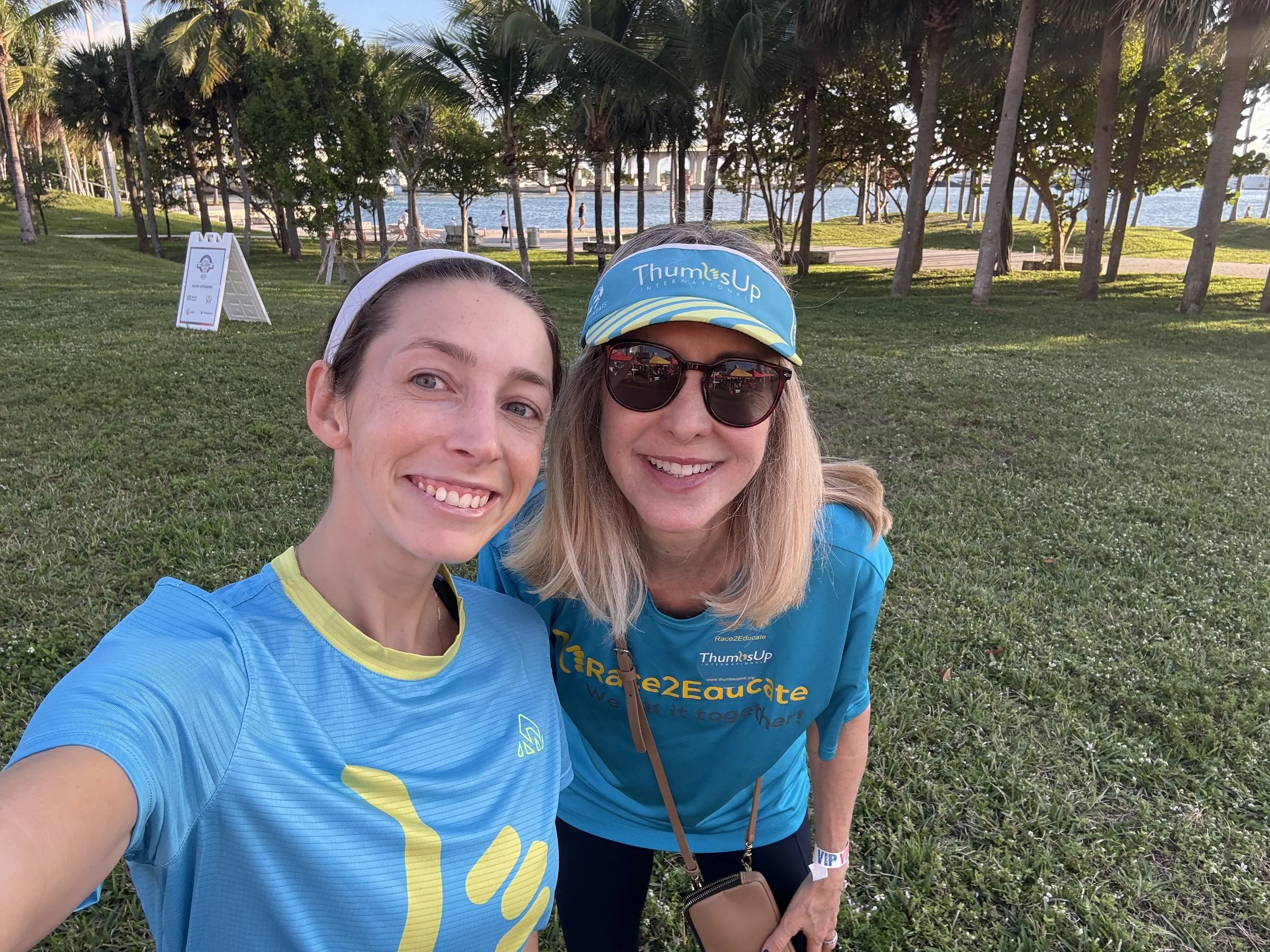
This year, I had the honor of participating in the Race for Inclusion in Miami, an event supporting Special Olympics and celebrating the power of community, belonging, and movement. What made the experience especially meaningful was running alongside Dr. Eva Ritvo, one of South Florida’s most respected psychiatrists, the co-founder of the Bold Beauty Project, and an author whose work deeply aligns with the spirit of this race.
Dr. Ritvo a regular contributor to PT has written two powerful Psychology Today articles around this topic
“Near-Death to Thriving: A Case History of Hope”
“Racing From Trauma to Triumph”
Her commitment to trauma healing, empowerment, and visibility was reflected in the team we ran with. Joining her wasn’t just about participating in a race—it was about standing for a mission that uplifts individuals of all abilities.
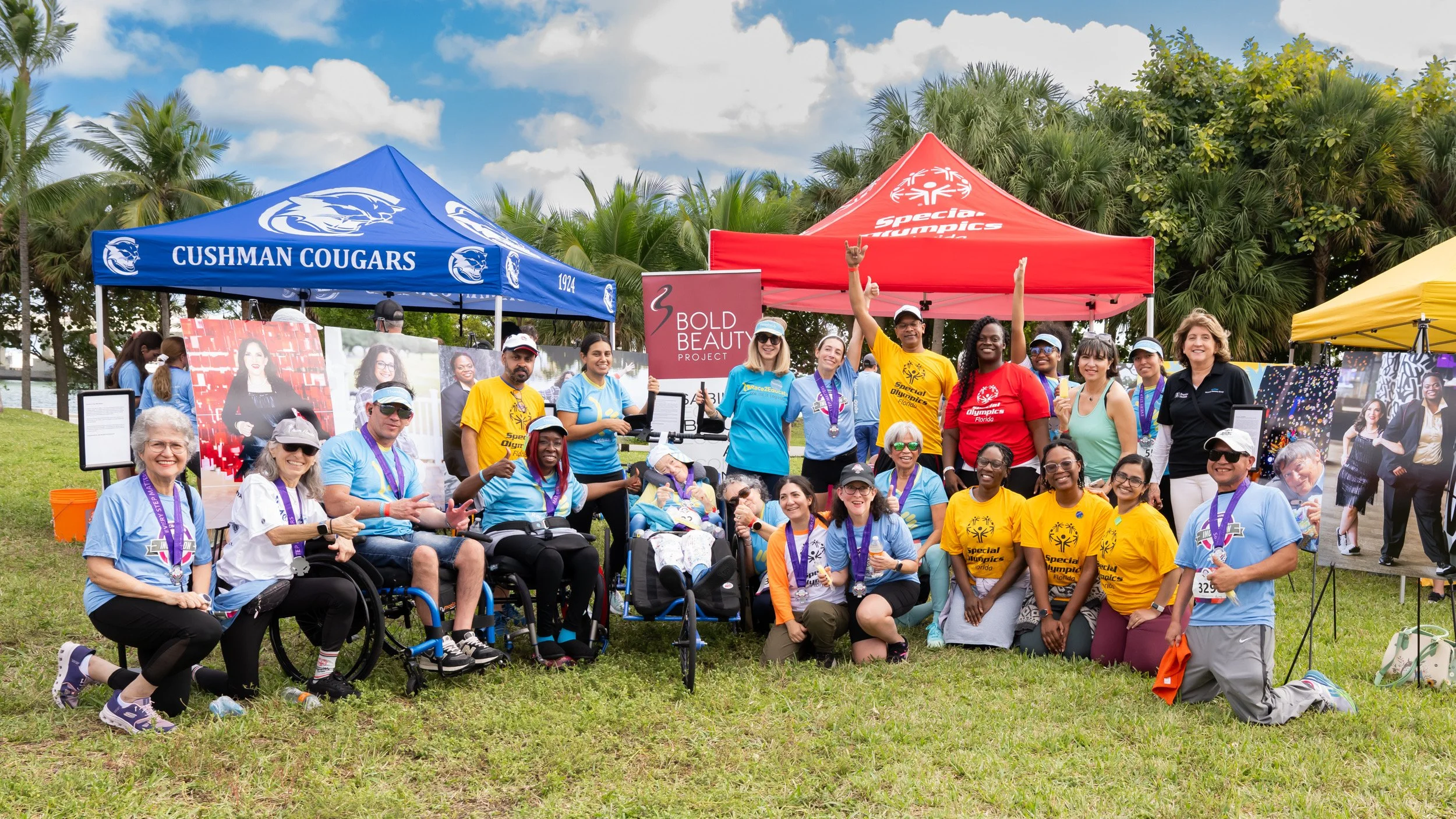
The team 12/13/2025 - Thumbs Up & Special Olympic Volunteers.
Running as a Form of Empowerment for People with All Abilities
Running is often viewed narrowly: something reserved for the elite, the competitive, or the “able-bodied.” But the Race for Inclusion dismantles that idea entirely.
Here, running becomes universal—a form of empowerment for people with both physical disabilities and intellectual and developmental disabilities. Movement isn’t about perfection or pace; it’s about:
Autonomy – choosing to participate and move one’s body
Mastery – experiencing progress and accomplishment
Visibility – being seen as an athlete, not a diagnosis
Belonging – sharing space as equals
Crossing a finish line—whether running, walking, or being supported—is a powerful statement:
I belong. My effort matters. My voice matters.
Events like this remind us that empowerment is not limited by cognitive or physical differences. It grows from opportunity, inclusion, and dignity.
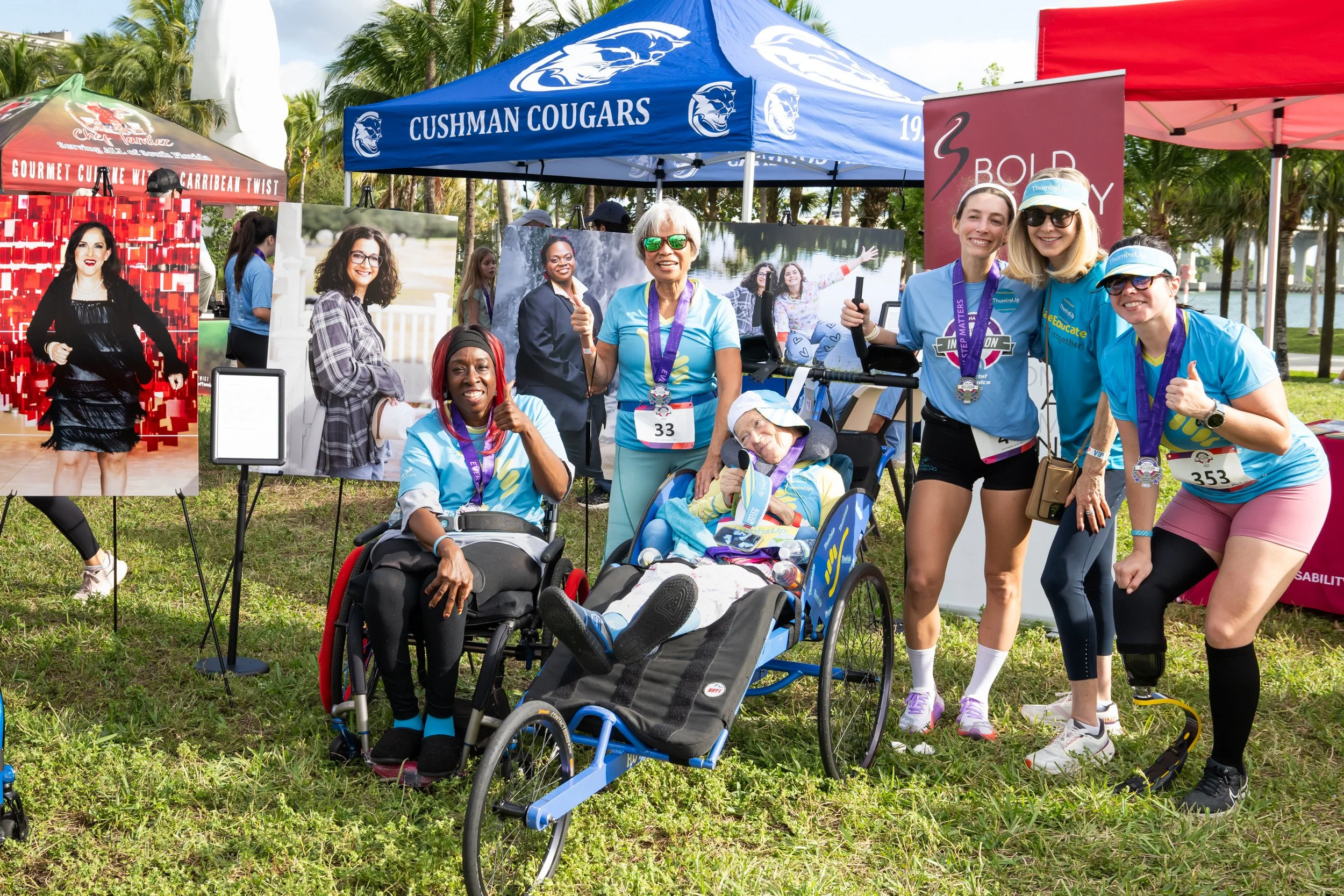
Kerry Gruson embodies the heart of inclusion. Her strength, grace, and lifelong advocacy remind us that empowerment takes many forms—and every body deserves a place at the starting line.
Trauma, Healing, and the Psychology of Movement
As a therapist, I see firsthand how healing often requires more than talking. Movement—especially something rhythmic and embodied like running—can regulate the nervous system, rebuild trust in the body, foster resilience, and create a sense of mastery.
Dr. Ritvo’s article, “Racing From Trauma to Triumph,” speaks precisely to this. She highlights how running can serve as:
A grounding practice
A catalyst for emotional regulation
A tool for rebuilding identity after trauma
A pathway to post-traumatic growth
Her writing mirrors what the Race for Inclusion represents: healing happens through connection, courage, and shared experience.
Running with her—knowing her advocacy and her clinical work—gave the race a deeper emotional resonance. It felt like participating in a moving, breathing expression of resilience.
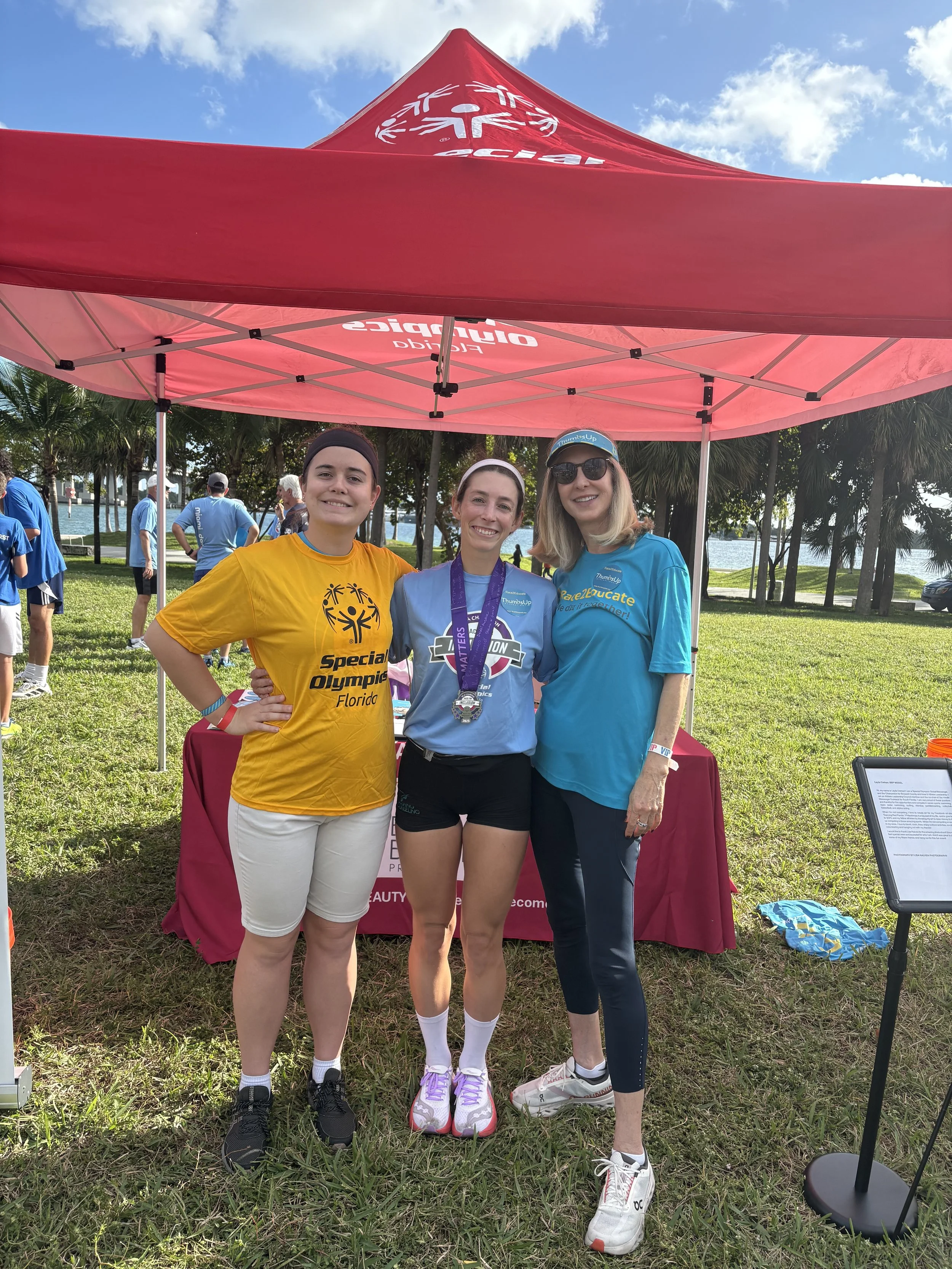
The Bold Beauty Mission and the Power of Representation
Dr. Ritvo’s Bold Beauty Project is rooted in the belief that visibility changes lives. By showcasing the stories, bodies, and voices of individuals with disabilities, Bold Beauty reframes what empowerment looks like.
The Race for Inclusion felt like an extension of that mission. Athletes with intellectual disabilities weren’t on the sidelines—they were at the center. They were the heartbeat of the event.
To run with a team connected to this work was an honor. It was a reminder that inclusion is not passive. It requires us to show up, stand with, and celebrate those who are too often overlooked.
Inclusion Is a Mental Health Issue
Psychologically, inclusion is a protective factor. When individuals with intellectual disabilities are welcomed into community spaces—especially physical and social environments like this race—the benefits are profound:
Increased self-esteem and confidence
Decreased isolation
Enhanced emotional well-being
Stronger community support
And inclusion doesn’t just benefit the athletes—it strengthens all of us. It expands empathy, challenges stigma, and reminds us that value is not measured by speed, ability, or productivity.
What This Race Represented
The Race for Inclusion wasn’t about who finished first.
It was about who showed up.
It was about families, clinicians, volunteers, athletes, and advocates standing together to say:
You are seen.
You matter.
You belong here.
Running beside Eva Ritvo—whose work champions resilience, dignity, and representation—made this message even more powerful. It reinforced my belief that healing, empowerment, and inclusion are collective efforts.
Moving Forward—Together
At Cushing Counseling, I believe empowerment takes many forms. Sometimes it looks like therapy. Sometimes advocacy. And sometimes, it looks like lacing up your running shoes and standing shoulder to shoulder with a community that refuses to leave anyone behind.
The Race for Inclusion reminded me that:
Movement can be healing
Community can be transformative
Inclusion benefits everyone
When we move together—literally and figuratively—we create a world where every person, regardless of disability, is welcomed into the circle of human dignity.