Sexual Performance Anxiety: Why Trying Harder Makes It Worse
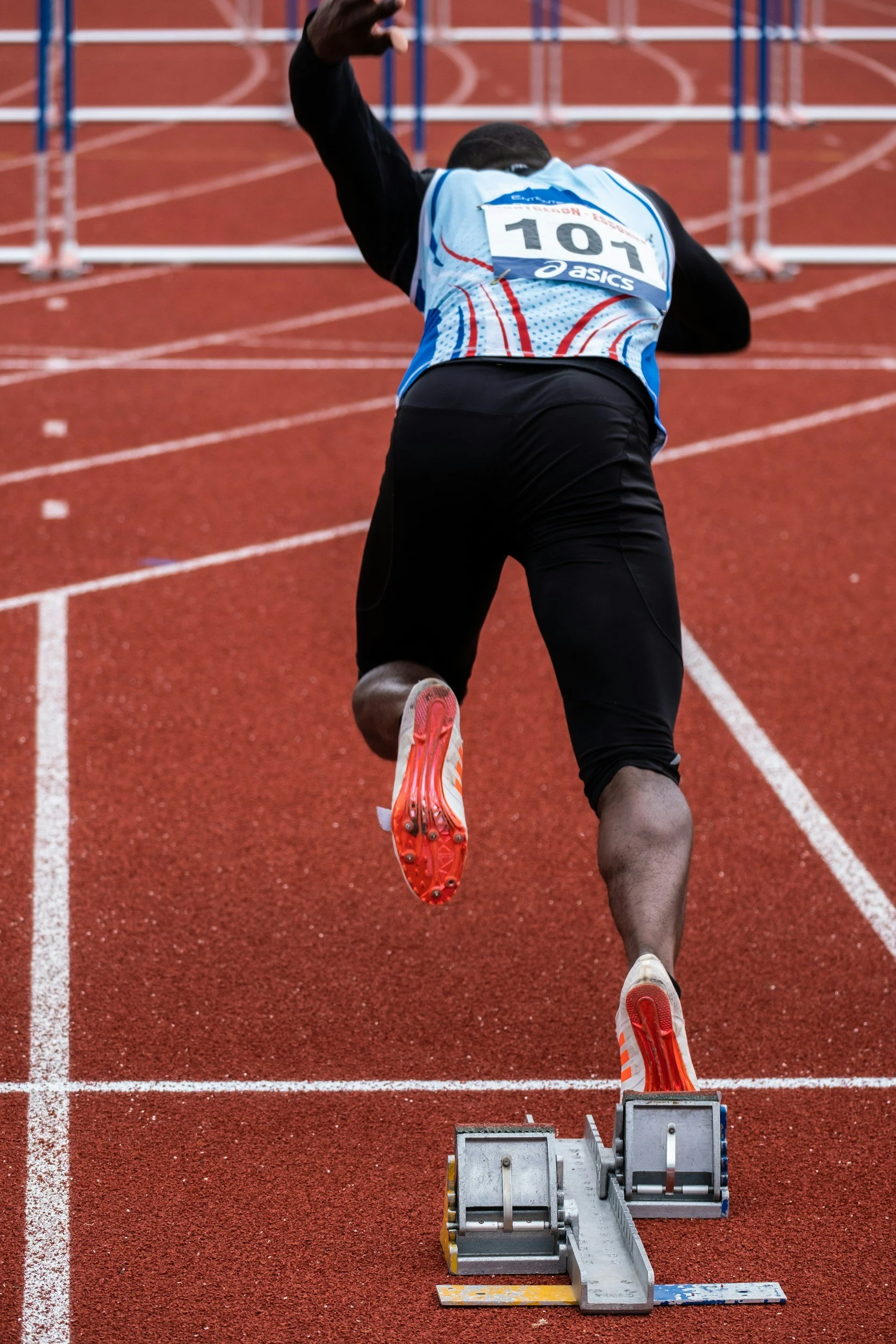
Sexual performance anxiety doesn’t come from lack of skill or desire.
It comes from caring too much in the wrong way.
When sex becomes something to get right, prove, or maintain, the nervous system often responds with tension rather than pleasure.
Barry McCarthy’s work consistently highlights this paradox:
the harder people try to perform sexually, the harder intimacy becomes.
How Performance Anxiety Develops
Performance anxiety often begins after:
A difficult sexual experience
Changes in desire or arousal
Health or stress disruptions
Relationship conflict
Fear of disappointing a partner
Once anxiety enters the bedroom, attention shifts away from sensation and toward self-monitoring.
Pleasure requires presence.
Anxiety requires vigilance.
The two rarely coexist.
Why Reassurance Alone Isn’t Enough
Many partners respond to performance anxiety with reassurance:
“You’re fine.”
“It doesn’t matter.”
“Just relax.”
While well-intentioned, reassurance doesn’t address the underlying nervous system response.
McCarthy emphasizes that reducing pressure, not increasing reassurance, is what restores confidence.
Rebuilding Sexual Confidence
Helpful shifts include:
Letting go of outcome-based sex
Reducing focus on specific responses
Prioritizing pleasure over performance
Normalizing variability
Viewing sex as shared experience, not evaluation
Confidence grows when sex feels collaborative, not scrutinized.

Therapy and Performance Anxiety
Sex therapy helps individuals and couples:
Interrupt anxiety-driven cycles
Reduce self-monitoring
Rebuild trust in the body
Restore pleasure-focused intimacy
Sex works best when it’s not a test.