Experiencing trauma can fundamentally disrupt our ability to connect—with ourselves, our bodies, and those closest to us. For many survivors of sexual trauma, abuse, or relationship betrayal, reclaiming intimacy is not just a return to what once was, but a journey toward feeling safe, whole, and truly seen. If you’re searching for a way forward in Virginia or Florida, trauma-informed online therapy, especially with a specialist who truly understands intimacy and healing, can make all the difference.
At Cushing Counseling, we know what it is to sit with stories that are often unspeakable. We have spent years accompanying people as they rebuild trust, rediscover pleasure, and learn to feel at home in their own skin again. Through secure telehealth sessions, we help survivors across Virginia and the surrounding DMV region understand trauma’s impact—and reclaim the future of their relationships and sexuality on their terms.

Understanding the Impact of Trauma on Intimacy
The effects of trauma run deep. According to available data, 1 in 9 girls and 1 in 20 boys experience sexual abuse or assault before age 18. For survivors, the fallout can include:
- Anxiety or dread during closeness or sex
- Shame, guilt, or self-blame around the body or pleasure
- Intrusive memories or flashbacks during intimacy
- Difficulty setting boundaries or trusting partners
- Emotional numbness or disconnection from self/others
- Painful sex or sexual dysfunction
- Struggles with sleep, confidence, or feeling safe even in familiar spaces
These symptoms are not signs of deficiency—they are natural responses to overwhelming experience. Over time, untreated trauma often disrupts the very capacity for relationship, pleasure, and trust. Healing starts by recognizing these reactions for what they are: adaptations and protective mechanisms, not character flaws.
Why Trauma-Informed Sex Therapy Works
Addressing intimacy after trauma isn’t just about talking through memories. It’s about helping mind and body discover safety again, and rebuilding a relationship with your own sensations, boundaries, and desires. Trauma-informed sex therapy at Cushing Counseling is rooted in these principles:
- Pacing and Safety: Growth happens when clients set the pace. We help you establish trust in the process and with your therapist before touching the most sensitive topics.
- Normalizing Responses: Triggers, dissociation, or anxiety in session are expected. We teach regulation skills so you can manage distress both in and out of therapy.
- Relational and Somatic Work: Intimacy and sexuality are about how we relate to ourselves as well as to others. Our approach blends talk therapy, psychoeducation, and gentle body-based techniques to support healing on every level.
- Reframing Shame: Many survivors carry shame that was never theirs to bear. We work with you to challenge damaging narratives—whether they come from family, culture, or past abuse—and create space for self-acceptance.
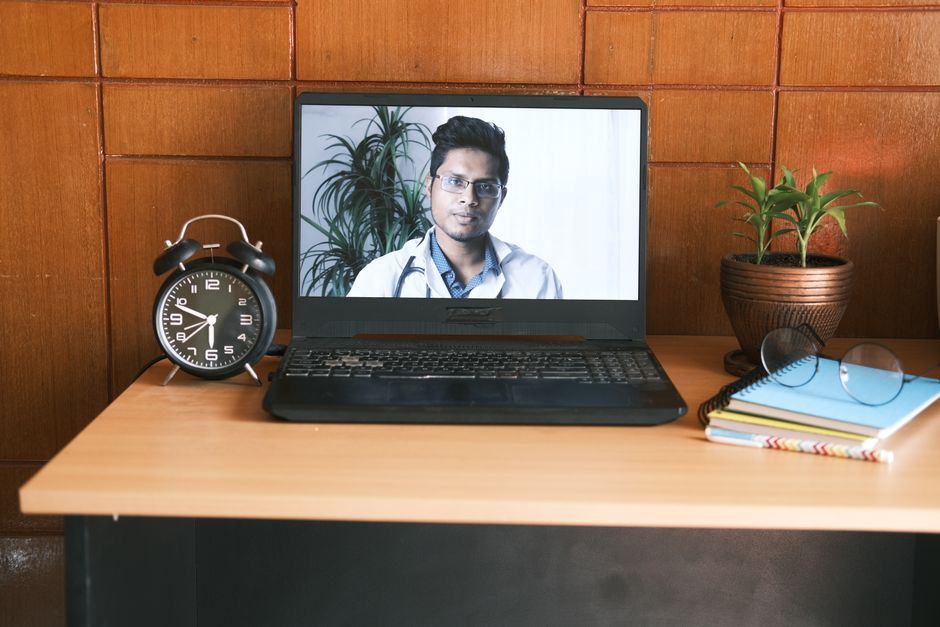
Telehealth Therapy: Why Online Care Makes a Difference for Trauma Survivors
When we moved to offering therapy exclusively via telehealth, it became clear how vital flexibility and privacy are for trauma recovery. Here’s why online care works particularly well for survivors in Virginia and Florida:
1. Privacy and Control
Some survivors feel hypervigilant or exposed in traditional offices. With telehealth, you choose your own environment, pace, and level of visibility. This sense of autonomy can be empowering and minimize anxiety.
2. Expanded Access to Specialized Expertise
Finding an AASECT-certified sex therapist with deep trauma training in your area can be difficult. Telehealth means you can access the right expertise—no matter where you are in Virginia, from Fairfax to Richmond and beyond—without the barriers of travel or location.

3. Consistency and Comfort
Healing requires regular, safe connection. Virtual care reduces missed sessions due to traffic, weather, or anxiety about showing up in person. Having therapy in your own safe space allows for deeper comfort and stability, which benefits trauma recovery.
4. Flexibility for Life’s Demands
Many clients have work, family, or health needs that make in-person appointments impractical. Telehealth lets you fit healing into your life, not around it.
What Trauma-Informed Sex Therapy at Cushing Counseling Looks Like
We blend evidence-based practices—like Cognitive Behavioral Therapy (CBT), somatic therapy, narrative therapy, and mindfulness—with gentle, body-based interventions. Our work centers around several steps:
- Psychoeducation: Understanding how trauma lives in the body is foundational. We teach about fight-flight-freeze-fawn responses and normalize your experience.
- Stabilization Skills: We give you grounding and nervous system regulation techniques—like mindful breathing and sensory orientation—that are practical in moments of distress.
- Processing Trauma: At your pace, we use talk therapy and, when appropriate, somatic approaches to process painful memories and their hold on present-day life and intimacy.
- Rebuilding Trust and Relationship Skills: Trauma can affect boundary setting, attachment, and trust. With us, you’ll practice communication, assertiveness, and identifying what safety means to you in relationships.
- Reclaiming Sexuality: As healing progresses, we support exploration of desire, pleasure, and agency using evidence-based sex therapy interventions (such as sensate focus, communication scripts, and body awareness techniques).
Whether you come alone or with a partner, you’ll find space here for the full complexity of your story. For couples, we often integrate individual and joint sessions to address both personal and relational healing.
Frequently Asked Questions About Reclaiming Intimacy and Trauma Therapy
Do I have to talk about my trauma in detail to heal?
No. You set the boundaries for what you want to share. Therapy is about what’s useful to you in this moment, not forcing a recount of painful events.
What if I’m triggered during a session?
This is very common. At Cushing Counseling, we provide tools to help you regulate, reconnect, and leave session feeling safe—even after difficult emotions arise.
How long does this process take?
There’s no one answer. Many people start seeing improvement within a few months of consistent therapy, but true healing can take longer, depending on history and goals. We move at your speed.
Can I do sex therapy if I don't have a partner?
Absolutely. Many clients explore intimacy and sexuality as individual work first—rebuilding confidence, desire, and comfort in their own bodies—before sharing that healing with a partner.
Is online therapy private and safe?
Yes. All sessions through Cushing Counseling are encrypted and HIPAA-compliant, ensuring confidentiality whether you’re in Virginia or Florida.
Can therapy help if trauma happened years ago?
Yes. Healing isn’t dependent on when the trauma happened. We work with recent and long-past wounds, focusing on the patterns and pain that persist today.
Our Values: Integrity, Expertise, Compassion
What sets Cushing Counseling apart isn’t just our specialty in trauma, sex therapy, and couples work. It’s the values that shape every session:
- Integrity: We communicate honestly about your options, our methods, and your care. Our clients know what to expect and can trust our word.
- Expertise: Our clinicians have advanced, specialty certifications including AASECT-certified sex therapy and trauma-focused modalities. We are constantly learning, practicing, and refining our skills to meet you with the latest evidence-based care.
- Compassion: There is no room for shaming or dismissiveness here. We honor the pace, pain, and resilience of every survivor we work with.
Getting Started with Trauma-Informed Telehealth in Virginia
If you feel ready to reclaim intimacy after trauma, the process at Cushing Counseling is simple and safe:
- Book a free 15-minute consultation: This is confidential and pressure-free. You can share your goals, ask questions, and see if our style feels like a fit.
- Get matched with the right clinician: We listen to your needs and pair you with a therapist whose expertise and approach align with your concerns.
- Begin therapy at your pace: Initial sessions focus on building trust, assessing your needs, and making a tailored plan. You choose whether to focus on individual, couples, or both types of sessions.
- Show up as you are: Consistency matters but perfection isn’t required. Healing is a journey, and you dictate the pace.
Best Practices for Reclaiming Intimacy After Trauma
- Give Yourself Permission: Healing is not about erasing the past, but about expanding your future. Allow yourself the space to go slow and feel.
- Practice Self-Compassion: Notice what comes up in your body and mind without judgment. Old patterns take time to shift.
- Build Skills Between Sessions: Integrate grounding and mindfulness practices into daily life, not just therapy. This helps build resilience.
- Communicate Openly (with your therapist and, if relevant, with partners): Say what feels hard, what you’re ready for, and when you need to pause or slow down.
- Stay Curious: New possibilities can feel vulnerable. Notice what brings even a hint of comfort or pleasure, and let those moments grow.
For a deeper dive into somatic and cognitive approaches, see our blog The Mind-Body Connection: Using CBT and Somatic Therapy for Trauma Recovery or learn about the unique difference between sex therapy and couples work in The Difference Between Couples Counseling and Specialized Sex Therapy.
Final Thoughts: Your Healing Matters
Trauma may have shaped today, but it does not have to dictate tomorrow. True intimacy—feeling safe, confident, and present with yourself and with others—is possible. We see this transformation every day. Your courage to seek help is the beginning of a new story, held with care, skill, and profound respect at Cushing Counseling.
If you’re curious or ready to start, book a free, confidential consultation and take your first informed step toward reclaiming connection and intimacy. All people, all stories, all journeys are welcome here.